

Better Menstrual Hygiene and the Fight Against Fistula

I want to speak to you about something that affects millions of girls and women—but is often hidden in silence: menstrual hygiene and a condition called obstetric fistula. You might be wondering, what do periods have to do with childbirth injuries? The answer is: everything.
When girls don’t have access to clean, safe menstrual products, they may use rags, leaves, or even sand. These unhygienic materials can cause infections in the reproductive system. And when those infections go untreated, they can weaken the body—especially during childbirth. That’s when fistula can happen: a tear between the birth canal and bladder or rectum, leaving a woman leaking urine or feces. It’s painful, isolating, and preventable.
But here’s the good news: proper menstrual hygiene saves lives.
When girls manage their periods with dignity, they stay in school. They learn about their bodies. They grow up informed, confident, and ready to seek care when pregnant. That’s how a pad today can prevent a fistula tomorrow.
So what can we do?
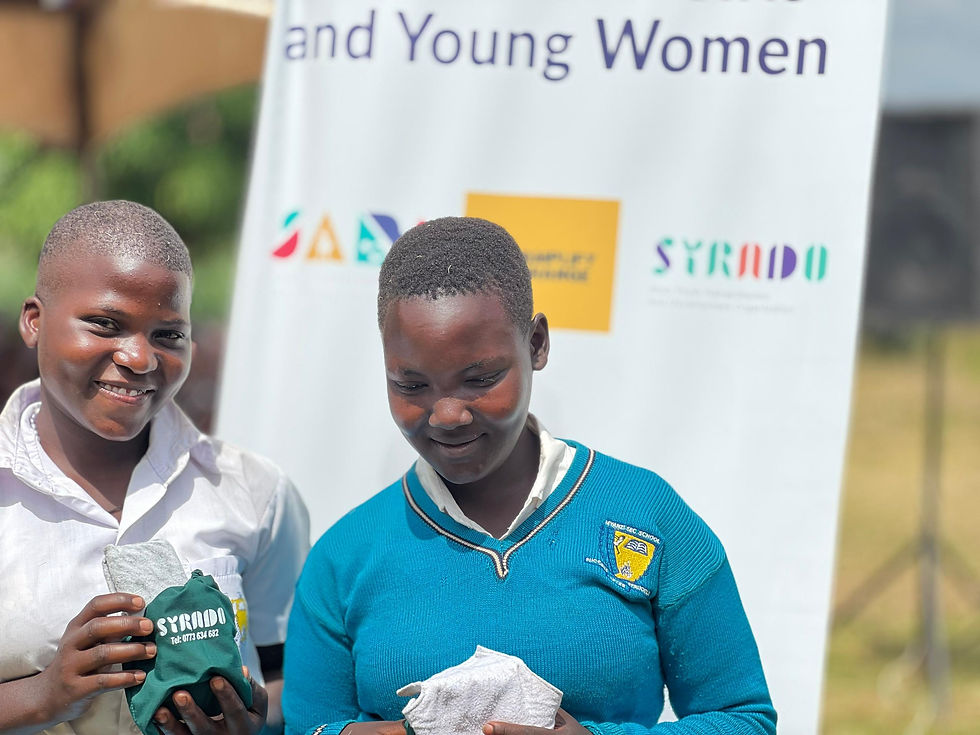
• Support access to reusable pads like Rozy Reusable Sanitary Pads—they’re safe, sustainable, and affordable.
• Talk openly about periods. End the shame. Start the education.
• Empower each other. Share knowledge. Protect our sisters.

Menstrual hygiene is not just about comfort. It’s about health, dignity, and future motherhood. Let’s be the generation that ends fistula—and it starts with how we treat menstruation.
Compiled by
Rosette Kyakyo
Fistula-Free Girls and Young Women project


Chiều nay sau khi ở ngoài về, lúc nghỉ ngơi trong khi mình đang đọc các bình luận trao đổi trên mạng, mình thấy TK88 được mọi người nhắc tới nhiều nên hơi tò mò. Lướt nhanh thì thấy tổng thể khá gọn gàng, không gian giải trí phong phú với giao diện đẹp mắt, dễ sử dụng. Với mình nhìn chung cách diễn đạt khá nhẹ nhàng và dễ hiểu.
Hồi sáng nay trong khi mình đang đọc các bình luận trao đổi trên mạng, mình thấy https://789winhn.co/ trực tiếp được chèn vào và được mọi người nhắc tới nhiều. Mình bấm xem cho biết, để xem cách trình bày và cấu trúc nội dung. Lướt nhanh thì thấy tổng thể khá gọn gàng, tạo cảm giác đáng tin cậy. Với mình, chỉ cần nội dung gọn gàng như vậy là đủ để mình nắm bắt thông tin cơ bản.
UY88 mình cũng kiểu nghe người ta nhắc nên bấm vào xem thử cho biết thôi. Không có ngồi đọc hết nội dung đâu, chủ yếu lướt giao diện với cách họ chia phần. Thấy trang làm khá dễ theo dõi, mấy tiêu đề đặt thẳng thắn nên nhìn cái là đoán được chủ đề đang nói gì. Có đoạn giới thiệu về Études viết ngắn gọn, nói họ kết hợp sáng tạo với chức năng trong kiến trúc nên mình đọc lướt vẫn nắm ý. Mình thích kiểu cuộn xuống là từng khối nội dung tách riêng, không bị nhồi chữ, nhìn đỡ mệt mắt. Phần điều hướng cũng ổn, chuyển qua lại không bị rối, nhất là heading “Cam…
Khi đọc các bài giới thiệu nền tảng giải trí, tôi thường thích những bài viết ngắn gọn để có thể xem nhanh trên điện thoại. Bài viết này có bố cục khá dễ theo dõi khi phần nhắc đến TN88 được đặt ở giữa nội dung. Điều đó giúp mạch bài trở nên tự nhiên hơn và không tạo cảm giác quảng cáo quá sớm. Nội dung tập trung vào trải nghiệm chung của người dùng với giao diện dễ sử dụng và nhiều danh mục quen thuộc như slot, game bài hay mini game. Nhìn chung cách diễn đạt khá nhẹ nhàng và dễ hiểu.
Hôm nọ mình có lướt qua một vài trang mạng và thấy nhiều người bàn tán về app 789WIN đặc biệt là về các thông tin thể thao trực tuyến. Thế là mình cũng tò mò ghé vào xem thử cách mà họ sắp xếp nội dung. Mình không đi sâu vào từng chi tiết mà chỉ dành chút thời gian để xem cách phân chia các mục và giao diện. Thực sự cảm thấy nếu các thông tin được trình bày rõ ràng, dễ hiểu thì việc đọc lướt cũng không gặp khó khăn gì. Với mình, chỉ cần nội dung gọn gàng như vậy là đủ để nắm bắt thông tin cơ bản.